









No exact matches were found.
But we put together a list of fantastic tutors just for you!
Create a student account



 2
tutors
available
2
tutors
available
Local time zone


Looking for an experienced Java tutor online to guide you through Core Java, object-oriented programming, or Spring Framework? Connect with verified Java developers on LRNKEY who bring years of experience, personalized teaching approaches, and flexible scheduling to help you master the Java programming language at your own pace.
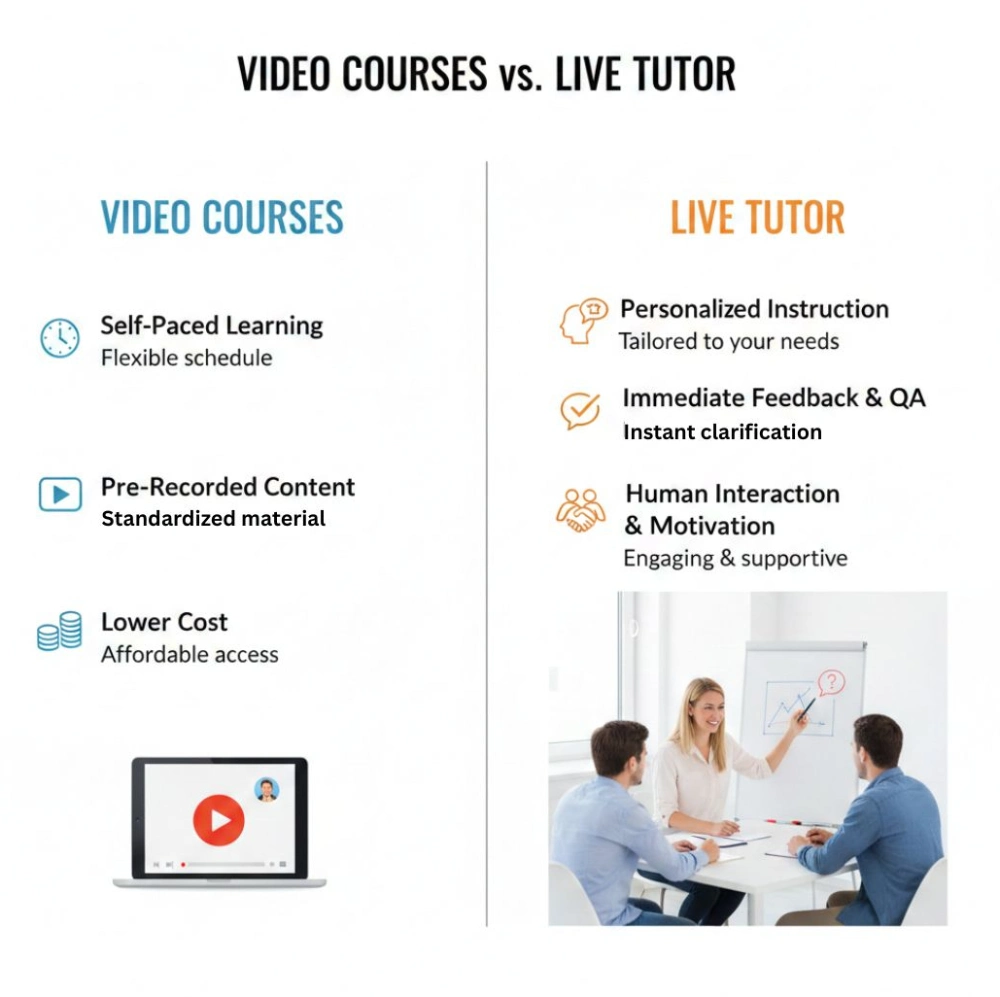
Many students begin learning through pre-recorded programming courses, only to find themselves stuck when errors arise or when Java concepts fail to click. A private tutor provides something video courses cannot: real-time feedback, personalized explanations, and immediate Java help for your specific questions.
When you encounter a NullPointerException or struggle with polymorphism, your Java online tutor doesn't just point you to documentation. They review your actual code, identify where your logic breaks down, and explain concepts using examples that match your learning style and skill level. This direct human interaction accelerates comprehension faster than self-study alone.
Expert Java tutors adapt their teaching based on your learning goals. High school students preparing for AP Computer Science need different guidance than professionals transitioning into backend development or building Android apps.
Your tutor tailors online lessons to focus on what matters most, whether that involves building REST APIs, understanding Java Collections, or mastering design patterns.
The accountability factor matters too. Regular online Java classes keep you consistent through difficult concepts. When multithreading feels overwhelming, having an experienced developer walk you through real-world applications makes these advanced topics accessible.
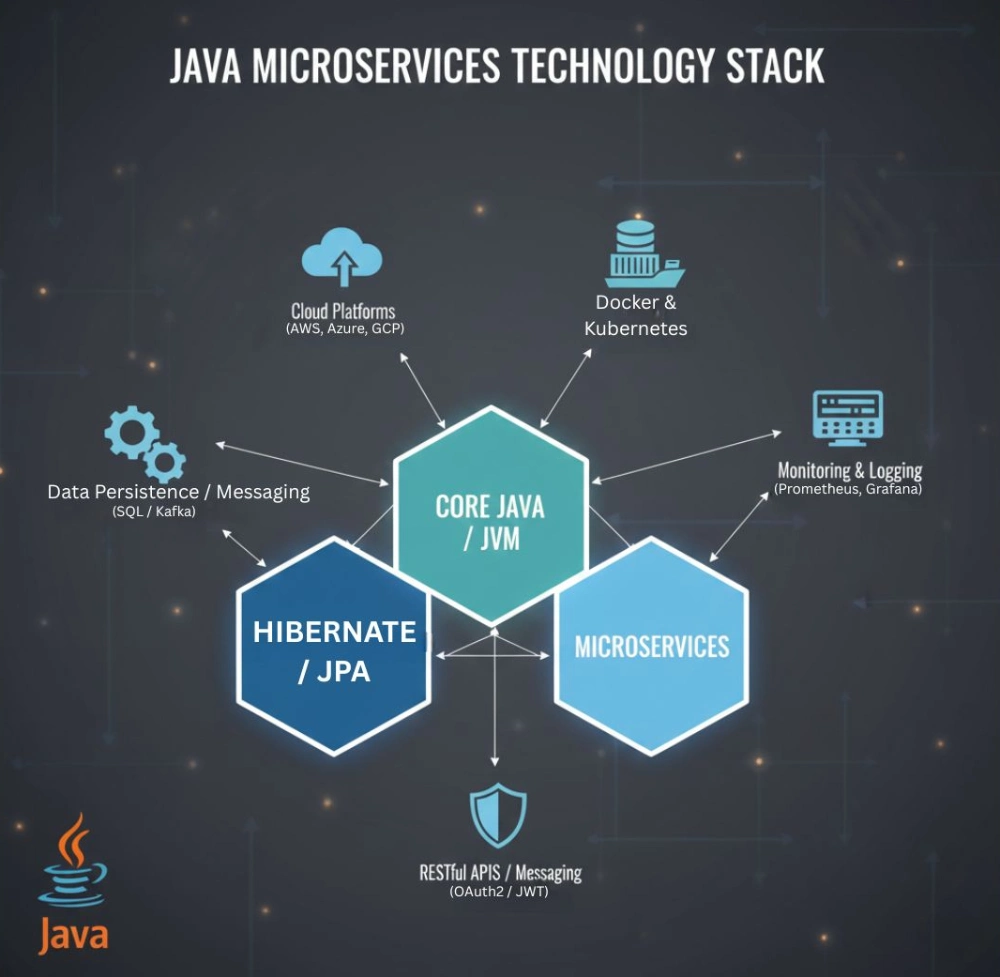
Professional tutors begin with a solid foundation in Computer Programming. You'll understand variables, data types, and operators before moving into control structures. From there, your tutor guides you through methods, arrays, and the Collections Framework, including ArrayList and HashMap implementations.
Object-oriented programming forms the backbone of Java development. Your private tutor breaks down classes, objects, constructors, inheritance, and polymorphism using practical examples from real Java projects. Rather than memorizing definitions, you'll see how these concepts apply when building actual applications.
Most tutors incorporate exception handling, memory management, and file operations early in your learning journey. You'll practice try-catch blocks and work with file I/O operations that prepare you for real project development. String manipulation and basic multithreading round out your foundational coding skills.
Once fundamentals are solid, experienced tutors introduce enterprise technologies. Spring Framework and Spring Boot dominate modern Java development, and your tutor teaches these frameworks through building actual web apps. You'll create REST APIs, implement Spring MVC architecture, and integrate databases using Hibernate or JPA.
Microservices architecture represents current industry practice. Tutors with real software development experience guide you through breaking monolithic applications into smaller services and deploying applications to cloud platforms.
Design patterns and best practices become essential as applications grow complex. Your tutor explains when to use Singleton, Factory, Observer, and other patterns through code examples from their own projects. Understanding these patterns helps you write cleaner, more maintainable code.
Testing and build tools complete your professional skillset. Tutors teach JUnit for unit testing, Maven for dependency management, and Git for version control. These tools form part of every professional Java developer's daily workflow.
Java powers a wide range of application types. Tutors specializing in Android development teach you mobile app creation and working with the Android SDK. If web development interests you more, your tutor focuses on building dynamic web apps with databases and desktop apps using JavaFX.
Some students need Java for Data Science and Big Data processing. Tutors experienced with Hadoop guide you through distributed computing concepts. Others explore game development, and tutors demonstrate Java game frameworks.
Students interested in machine learning explore Java ML libraries, TensorFlow integration, and neural network implementation techniques.
The flexibility of one-on-one tutoring means your curriculum adapts to your interests. Want to explore JavaScript alongside Java for full-stack development with React JS? Your tutor adjusts the study plan. Need preparation for certification exams? They structure sessions around exam topics and interview questions.
When browsing tutors to find Java experts, prioritize real-world experience. Look for tutors who've worked as software developers or Web Developers, not just taught programming. Their profiles typically mention years of experience, specific companies or Java projects they've contributed to, and technologies they use professionally.
Check the technology stack each tutor knows. If you want to learn Spring Boot and microservices, ensure your potential tutor has hands-on experience. Android developers should look for tutors who've published apps. Backend development students benefit from tutors experienced with databases and APIs.
Educational background matters, but it isn't everything. Some of the best tutors learned through practical experience rather than traditional computer science degrees. However, tutors with a master's degree in Computer Science often bring deeper theoretical knowledge. What matters most is their ability to build real applications and explain complex concepts clearly.
Review their teaching experience separately from their coding experience. A senior software engineer with 10 years of Java development but only six months of tutoring services may still be excellent if they communicate well. Read student reviews to gauge teaching effectiveness.
Watch the introduction videos tutors provide on their profiles. These videos reveal communication style and enthusiasm for teaching. You'll spend hours with your tutor, so compatibility matters as much as technical knowledge.
Teaching methodology varies significantly. Some emphasize theory before practice, while others use project-based learning where you build applications from day one. Consider which approach matches your learning needs. Visual learners might prefer tutors who draw diagrams extensively during online classes.
Ask potential tutors during free trial lessons how they structure their sessions. Do they assign homework? How do they provide tutor help with debugging? What resources do they recommend? Their answers indicate whether their teaching style creates an effective learning environment for you.
Flexibility matters for working professionals and students. Confirm tutors can accommodate your schedule before committing. LRNKEY's platform shows each tutor's available hours. Most tutors offer morning, evening, and weekend slots to fit different schedules.
LRNKEY connects you with tutors worldwide, eliminating geographic limitations. Whether you're in New York or New Delhi, you access the same pool of experienced developers. This global marketplace means you're not limited to expensive local tutors whose expertise doesn't match your goals.
Tutors from different countries bring diverse perspectives on Java development. You benefit from this variety by choosing tutors whose experience aligns with your career goals, whether that's enterprise applications, mobile development, or exploring multiple coding languages.
Time zone flexibility expands your learning options. Students with unconventional schedules find tutors who teach during their available hours. Video conferencing technology makes distance irrelevant when both parties have reliable internet connections.
LRNKEY's pricing structure makes expert tutoring accessible. Tutors set their own rates starting from $7 per hour, with the most experienced Java developers charging between $15 and $40 per hour. Compare this to local tutoring that often exceeds $50 to $100 per hour or coding bootcamps costing thousands upfront.
No subscription fees or minimum commitments lock you into payment schedules. You pay only for booked Java online lessons. Want intensive learning periods? Then drop to one session per week when work gets busy? Your flexibility remains complete.
Most tutors offer free trial lessons lasting 15 to 20 minutes. These trials let you assess compatibility before committing financially. You can meet multiple tutors through trials to find the perfect match for your learning style.
LRNKEY provides integrated video conferencing for seamless online learning. Screen sharing works smoothly, allowing tutors to demonstrate coding techniques and review your work in real-time. This keeps everything organized within one platform.
The messaging system enables communication between scheduled sessions. When you encounter problems while practicing, message your tutor for guidance. This support means you don't stay blocked on issues until your next lesson.
Calendar management simplifies scheduling. You see each tutor's available time slots and book directly. Automatic reminders ensure you don't miss sessions, and timezone conversion happens automatically.
Complete beginners typically spend their first month mastering Java syntax and basic programming concepts. Your tutor introduces variables, data types, operators, and control flow through simple console programs. You'll write applications that process user input and display results.
Object-oriented programming concepts come next. Understanding classes, objects, methods, and constructors forms the foundation for everything that follows. Your tutor uses relatable examples to demonstrate inheritance and polymorphism through practical coding exercises.
Arrays and the Collections Framework expand your ability to work with data. You'll learn when to use ArrayList versus LinkedList, how HashMap provides fast lookups, and why HashSet ensures unique elements. These data structures appear constantly in real applications.
By the end of your foundation phase, you're writing programs with multiple classes, handling exceptions appropriately, and reading from and writing to files. These programming skills prepare you for building more complex applications.
Intermediate students tackle database integration and web application basics. Your tutor introduces JDBC for connecting Java programs to databases. You learn SQL fundamentals alongside Java, understanding how applications store and retrieve data permanently.
Web development concepts enter your curriculum through Servlets and JSP. You build dynamic applications that respond to user requests, display content from databases, and handle form submissions. This phase connects Java to real-world projects that students encounter daily.
Multithreading and concurrency become approachable with expert guidance. Your tutor explains thread creation, synchronization, and common pitfalls. Rather than memorizing thread methods, you understand when multithreading improves application performance.
Projects during this phase grow in complexity. You might build a task management application with database storage, a simple blog system with user authentication, or a chat application. These Java projects belong in your portfolio, demonstrating practical abilities to employers.
Advanced students dive into enterprise frameworks. Spring and Spring Boot dominate Java enterprise development, and your tutor guides you through dependency injection, Spring MVC, and building REST APIs. You learn industry best practices like separating concerns and implementing security.
Microservices architecture represents modern system design. Your tutor explains how to break applications into independent services and handle distributed system challenges. Cloud deployment becomes part of your skillset as you deploy applications to platforms like AWS.
Testing discipline separates professional developers from beginners. You learn Test-Driven Development (TDD), writing unit tests before implementation. Your tutor demonstrates integration testing and achieving high code coverage.
System design understanding develops through discussing real-world scenarios. Your tutor presents problems like designing a URL shortener or building a scalable notification system. You learn to consider database schema design, caching strategies, and handling high traffic.
Learning timelines vary based on your goals and time commitment. Students dedicating 10 to 15 hours weekly typically achieve basic proficiency within 2 to 3 months. You'll write simple programs, understand OOP principles, and work with collections by this point.
Reaching intermediate skills, where you build database-connected applications, takes 4 to 6 months of consistent practice. Job-ready competence requiring framework knowledge and portfolio projects typically takes 6 to 12 months.
Professional tutors accelerate learning significantly compared to self-study. Immediate feedback prevents bad habits, personalized explanations target your confusion points, and a structured curriculum ensures logical concept progression.
Java serves as an excellent first language in Computer Programming. Its strong typing catches errors early, helping beginners understand data types and proper code structure. The explicit nature of Java code makes logic clear.
Object-oriented principles in Java teach concepts transferable to many coding languages. Understanding classes and inheritance in Java makes learning C++, C#, or Kotlin easier later.
Having a tutor makes Java accessible even for complete beginners. Your tutor handles initial setup, explains error messages in plain language, and provides encouragement through challenging concepts. With guidance, beginners succeed just as they would with supposedly easier languages.
Online courses work well for motivated self-learners with technical backgrounds. They provide structure at low cost. However, courses can't answer your specific questions, debug your unique errors, or adapt the pace to your understanding.
Private tutoring excels where courses fall short. When your code produces unexpected results, your tutor identifies the problem immediately. When concepts don't click, tutors rephrase explanations until understanding dawns. This personalized attention accelerates learning significantly.
Many successful learners combine both approaches. They use courses for exposure to topics, then work with tutors to deepen understanding. On LRNKEY's tutoring platform, you can find affordable tutors who complement your self-study, providing the best way forward for your learning journey.
Most tutors provide assignment help, but quality tutors guide you toward solutions rather than just giving answers. They ask questions that help you think through problems, debug alongside you, and ensure you understand the concepts behind each solution.
This educational approach proves more valuable than simply completing assignments. You learn problem-solving processes applicable to future work. When exam time arrives, you can tackle new interview questions independently because you've developed a genuine understanding.
Tutors also help with larger projects beyond single assignments. They guide project structure, suggest appropriate design patterns, and review your code for improvements. This mentorship develops professional-level skills that assignment completion alone doesn't teach.
Some tutors specialize in academic support, including AP Computer Science exam preparation for high school students. They understand common exam question types and provide targeted practice. Finding tutors with teaching experience benefits your grade outcomes.
Basic requirements are simple. Any computer running Windows, Mac, or Linux works fine. You don't need an expensive machine—mid-range laptops handle Java development adequately.
Reliable internet connection matters most. Video calls and screen sharing require stable bandwidth. Most home internet connections support video conferencing without issues.
A webcam and microphone enable face-to-face interaction. Most modern laptops include adequate built-in cameras and microphones. Headphones improve audio quality and reduce echo.
Software requirements remain free. Your tutor guides you through downloading the Java Development Kit and an IDE like IntelliJ IDEA or Eclipse. These tools cost nothing, and installation takes minutes with tutor guidance during your first session.

Learning Java from an experienced developer who understands both programming and teaching transforms your educational experience. Instead of struggling alone through unclear error messages, you progress with consistent support and personalized instruction.
LRNKEY connects you with verified tutors who bring professional development experience, patient teaching approaches, and flexible scheduling. Browse tutor profiles, read student reviews, and book free trial lessons to find the perfect match for your learning style.
Your Java journey begins with a straightforward step: choosing a tutor who commits to your success. Whether you're starting from zero, preparing for AP Computer Science, or building new skills for career advancement, the proper guidance makes all the difference. Look through available programming tutors on LRNKEY and take the first step toward mastery today.
Ready to master Java programming? Find an experienced Java tutor online on LRNKEY who can guide you from the basics to building real applications. Most tutors offer free trial lessons—start your learning journey with personalized expert instruction that fits your schedule and budget.

There are no more tutors exactly matching your search criteria.
But we put together a list of similar tutors just for you!
18
tutors
Local time zone
Lrnkey AI Agent
Let’s personalize your support experience.
Are you a robot?